 Image 1 of 3
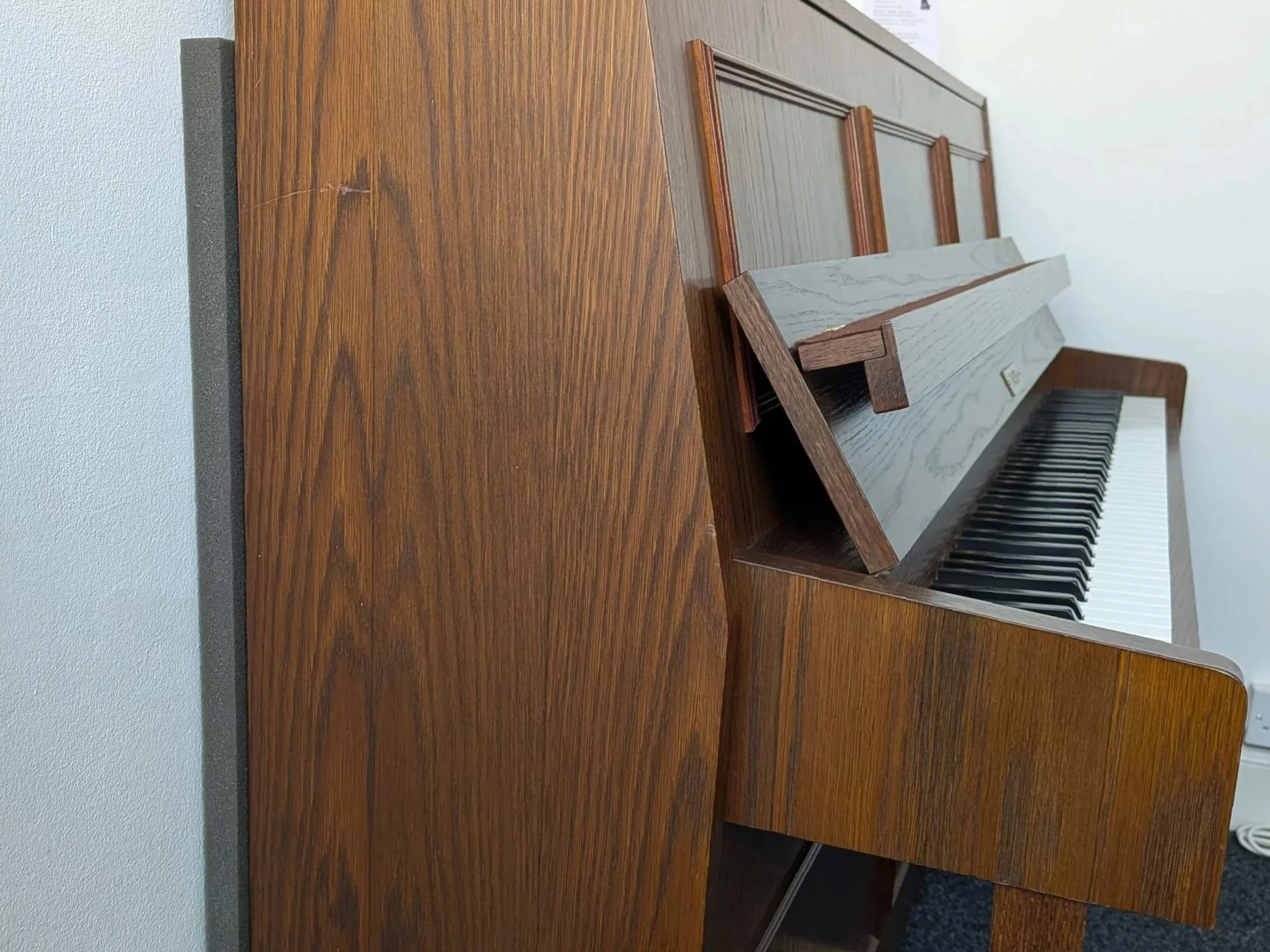 Image 2 of 3
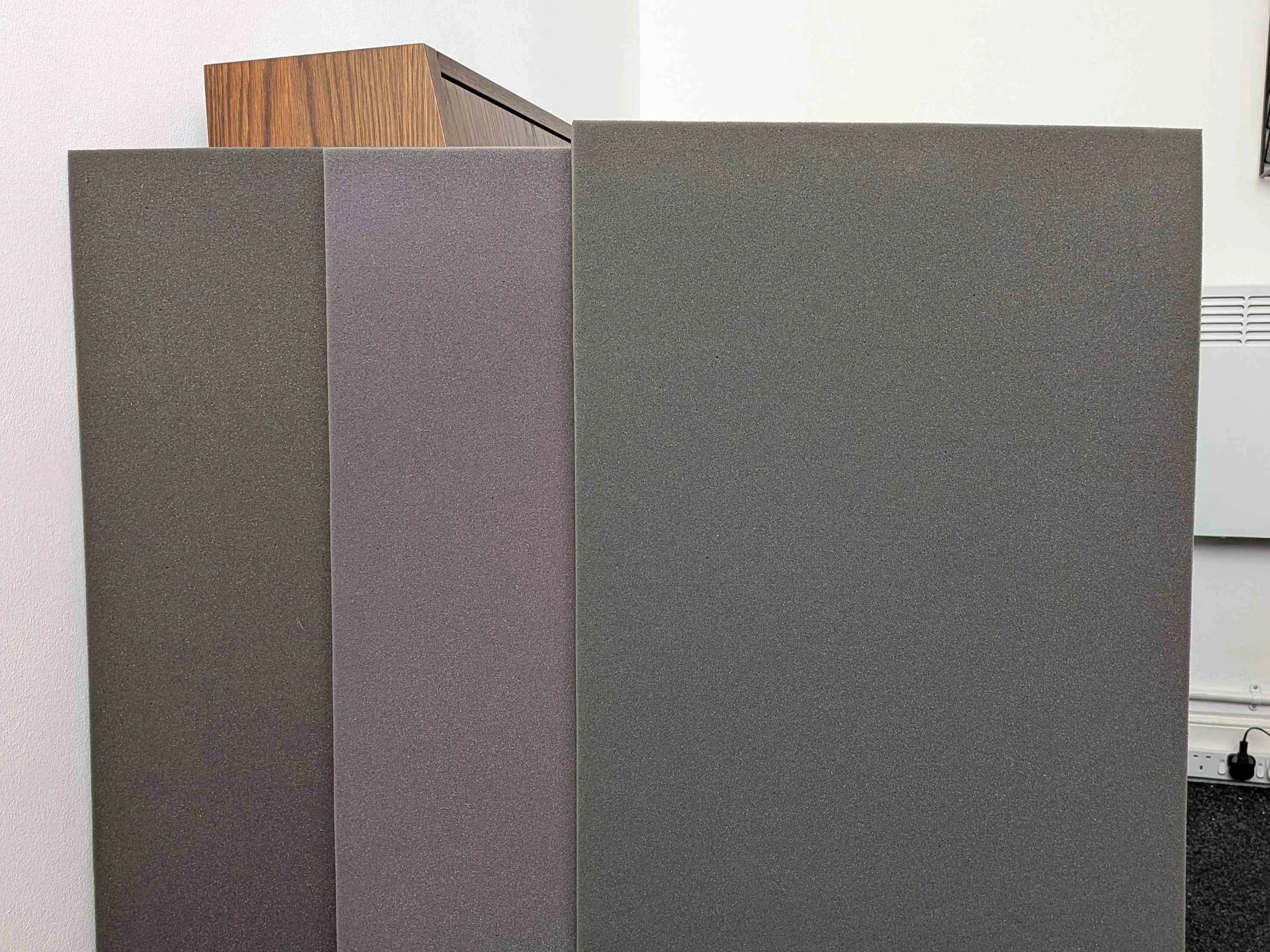 Image 3 of 3
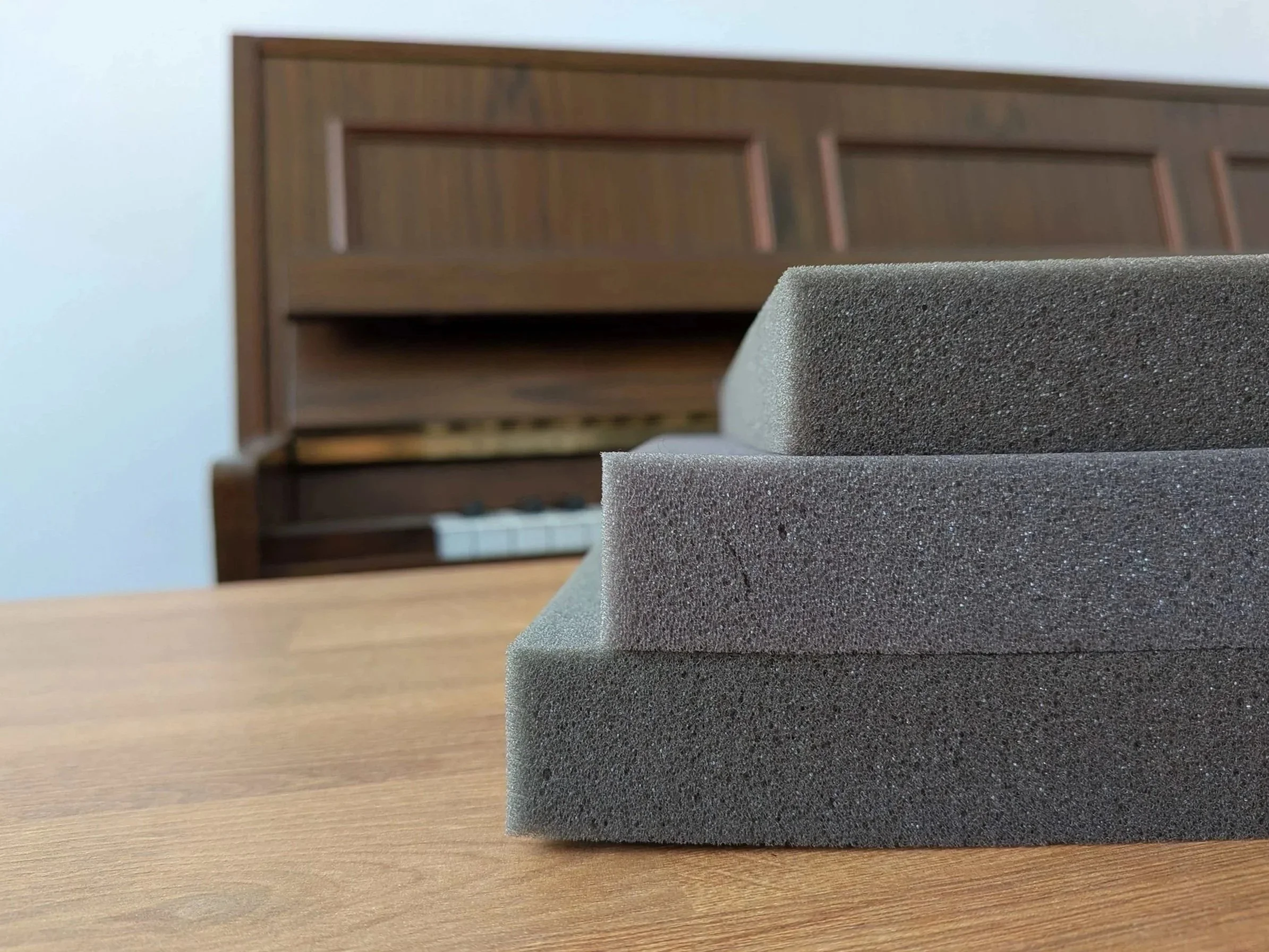
With an upright piano, sound moves in all directions. By placing acoustic foam panels behind the piano, it will absorb the sound that travels out the back of the instrument. This stops the sound from bouncing off the wall and back to your ears.
The thickness 2.5 cm is recommended for smaller upright pianos up to 110 cm.
The thickness 3.81 cm is recommended for taller upright pianos up to 130 cm.
The thickness of the acoustic foam determines how much the sound will be reduced. The thicker the acoustic foam is, the more the sound will be reduced.
The acoustic foam comes in a set of three, meaning bass, mids and treble can be individually treated.
Pyrosorb-S Class 0 acoustic foam is fire retardant, meaning it is treated against ignition.
With an upright piano, sound moves in all directions. By placing acoustic foam panels behind the piano, it will absorb the sound that travels out the back of the instrument. This stops the sound from bouncing off the wall and back to your ears.
The thickness 2.5 cm is recommended for smaller upright pianos up to 110 cm.
The thickness 3.81 cm is recommended for taller upright pianos up to 130 cm.
The thickness of the acoustic foam determines how much the sound will be reduced. The thicker the acoustic foam is, the more the sound will be reduced.
The acoustic foam comes in a set of three, meaning bass, mids and treble can be individually treated.
Pyrosorb-S Class 0 acoustic foam is fire retardant, meaning it is treated against ignition.